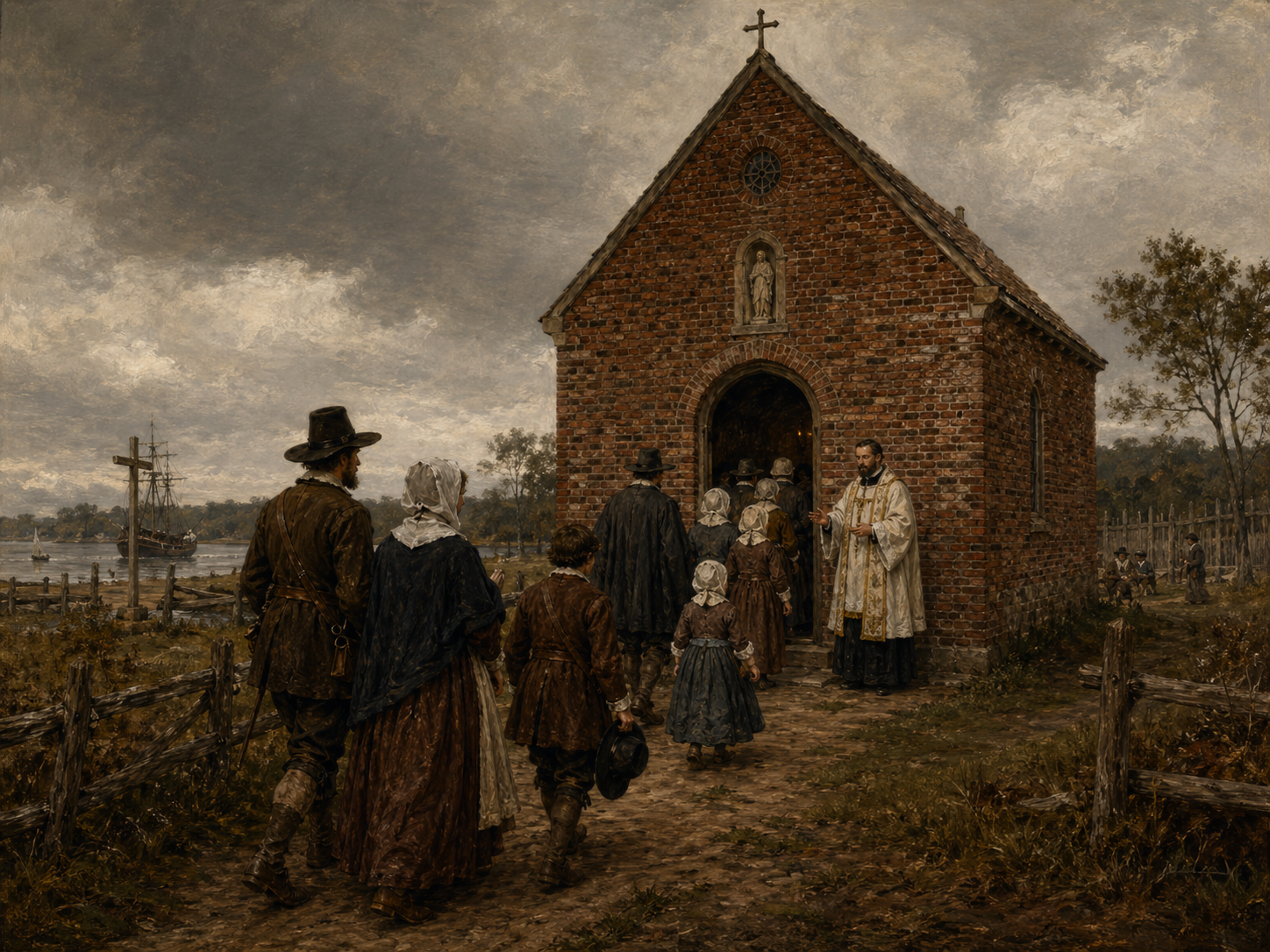
The Crossing
St. Clement's Island, Maryland
Duct tape.
There are few inventions in human history more deserving of praise. It can patch a leaky pipe, hold together a broken bumper, repair a torn boot, and, if necessary, probably keep a small aircraft flying.
And on a cold, very windy morning in March of 2020, it may also have kept me from sinking in the middle of the Potomac River.
The world was just beginning to shut down. COVID had arrived. Events were being canceled, travel was tightening, and highway signs had started warning against all but essential trips. For someone trying to make a living chasing stories on spec, it wasn't exactly reassuring.
So I did what I'd always done.
I went looking for something worth chasing.
Somewhere in that search, I came across an account that caught hold of me immediately: the story of the first Catholic Mass celebrated in what would become the English colonies of North America. The date was March 25, 1634. The place was a small island in the Potomac River called St. Clement's Island. The priest was a Jesuit missionary named Father Andrew White.
I glanced at the calendar.
It was March 18.
One week before the anniversary.
I had the story.
Now I needed photographs.
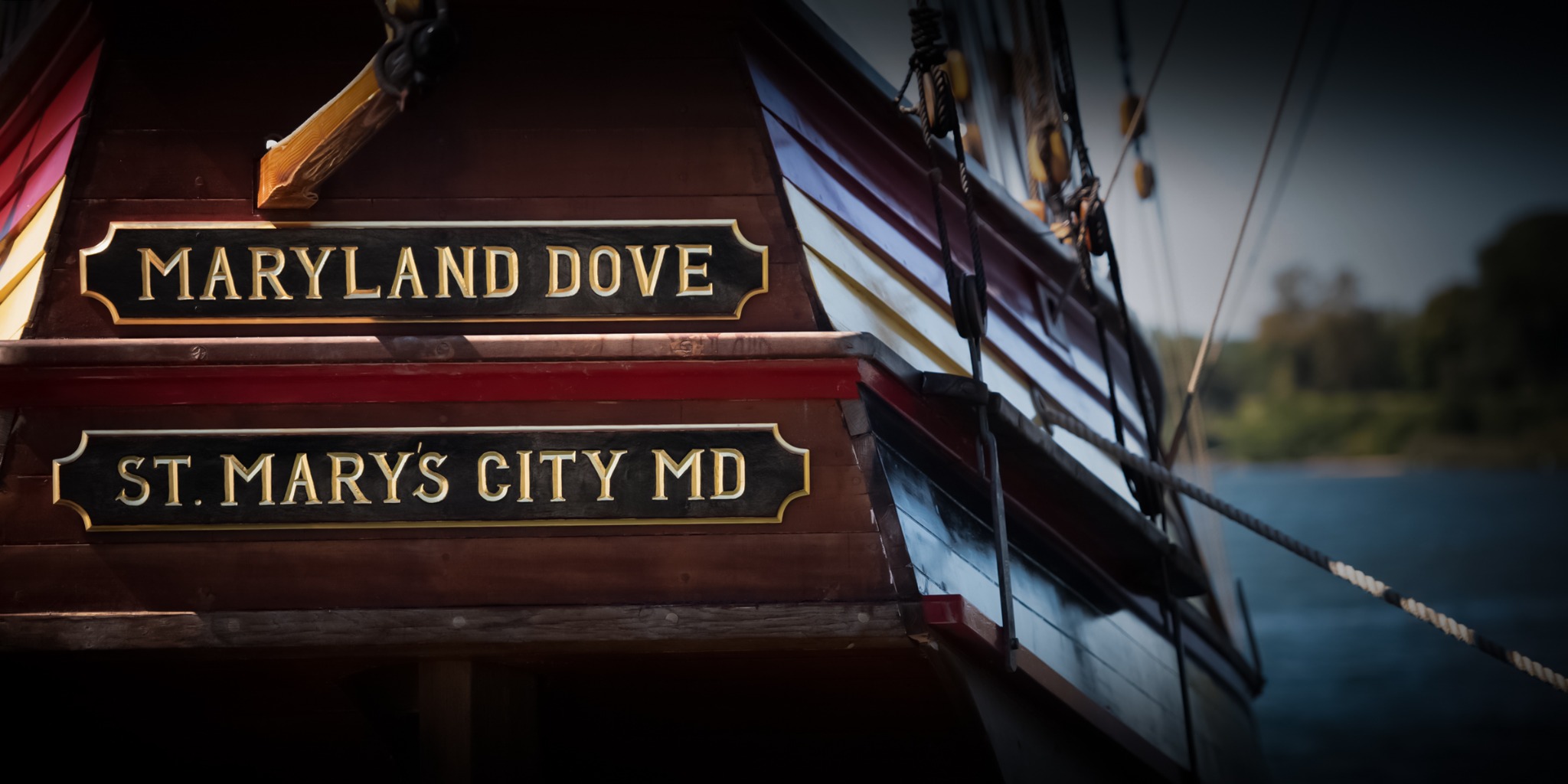
Maryland Dove, St. Mary's City, Maryland · Photograph by Jeffrey Bruno
That turned out to be more complicated than expected. The shuttle boat that normally ferries visitors to the island was out of the water for the winter. Friends made calls. A relative with a boat in the area couldn't help either. One by one, every reasonable way of reaching the island disappeared.
Until I looked out the window of my little office and noticed something sitting in the backyard.
An old two-man kayak.
It had no flotation. The NOAA forecast that morning called for strong winds and waves running two to three feet. And I am not, by any stretch of the imagination, an experienced kayaker.
Nevertheless, the idea had already taken hold.
I grabbed a blue tarp and cut it into a makeshift spray skirt, taping it tightly around the cockpit with several generous layers of duct tape. For good measure, I taped the tarp to my wetsuit as well. My cameras went into a watertight duffel bag. The kayak went onto the roof of the car.
And with more optimism than good sense, I began the five-hour drive south.
Cold. Windy. Whitecaps marching steadily across the water.
For nearly forty-five minutes I stood on the shoreline staring at the water, debating whether this was a very bad idea. Eventually I settled on a compromise. I could put the kayak in, paddle out a little, and if things became too interesting, I could simply turn around.
That seemed reasonable enough.
So I pushed the kayak into the river, climbed in, taped myself into place, and began paddling.
At first, it seemed tolerable.
Then, somewhere about halfway across, I drifted into what must have been a channel. A wave lifted the stern and drove the bow straight into the face of the next one. For a moment the front of the kayak disappeared beneath the water.
Adrenaline hit instantly.
Panic came with it.
And then, almost as quickly, another realization followed: I was now closer to the island than I was to the mainland.
So turning back was no longer the safer option.
There was only one direction left to go.
Forward.
I tightened my grip on the paddle and kept moving, praying Hail Marys, sometimes calmly, sometimes frantically.
At that point I was doing what Catholics have done for centuries when the situation begins to feel a little beyond their control.
I was hanging on to Our Lady's hand for dear life.
“Blessed Mother,” I remember praying more than once,
“and BLESSED MOTHER!!!”
Eventually the rocky shoreline of St. Clement's Island came into view. As I slipped behind the island into its lee, the transformation was immediate. The wind softened. The waves flattened. The kayak suddenly began gliding almost effortlessly.
I ran it onto the stones, climbed out, dragged it clear, and almost immediately fell to my knees in thanksgiving—first for having not been swallowed by what had felt, at mid-river, like a raging sea, and then for the privilege of standing on that small piece of earth at all.
Near the center of the island stands a large cross marking the place where that first Mass is remembered. I walked slowly around it, taking it in from every side.
Then I stopped and looked up.
Because on March 25, 1634, on this very island, Jesus Christ in the Blessed Sacrament was lifted toward heaven for the first time in the English colonies.
And somewhere out there, beyond the shifting gray water, two ships would have appeared slowly on the horizon.
Dark silhouettes against the sky.
The Ark.
And the Dove.
They had left England more than four months earlier, slipping their moorings at Cowes on the Isle of Wight in November of 1633. The larger vessel, the Ark, carried most of the passengers, provisions, and supplies needed to establish a colony. Beside her sailed the smaller Dove, lighter and faster, often sent ahead to scout unfamiliar waters.
Together they carried more than two hundred settlers across the Atlantic toward a land most of them had never seen.
Months at sea had left them weary. Storms had battered the ships. Food and fresh water had grown scarce. Winter crossings of the Atlantic were brutal.
“The ocean was not in the habit of respecting human hopes.”
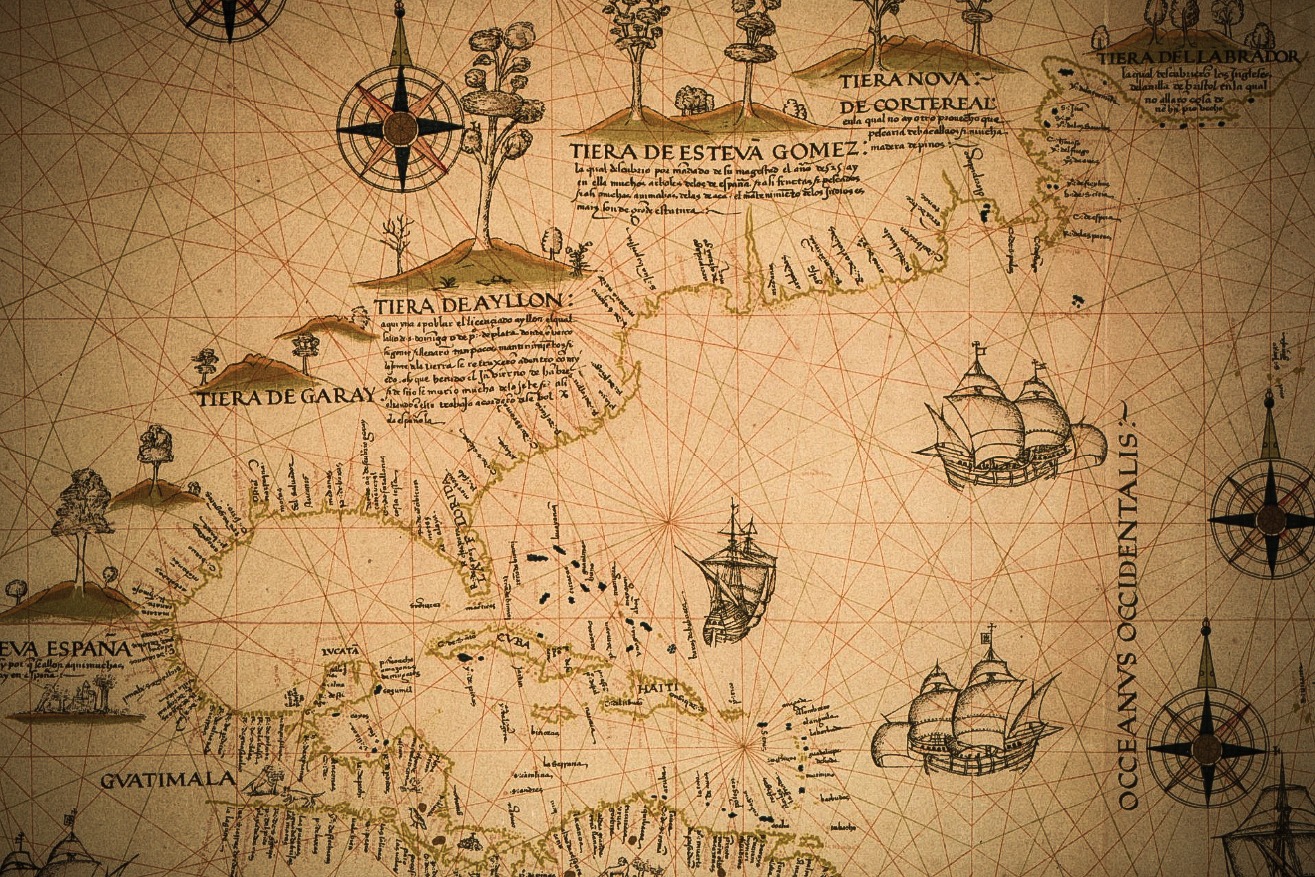
Detail from the 1529 Ribero map · Public domain
But now the ocean was behind them.
Ahead stood a small wooded island in the Potomac.
An island they would name St. Clement's.
As the ships slowed and dropped anchor offshore, longboats were lowered into the water. Sailors shouted from the decks while passengers leaned eagerly over the rails, anxious for their first chance to step onto solid ground after months of creaking timbers and gray water.
And then, in one of those moments history rarely bothers to smooth out, the landing met with immediate comedy.
According to Father Andrew White's own account, a boatload of women sent ashore to wash clothing capsized in the shallow water, spilling linens, garments, and several of White's vestments into the river. For a priest preparing to celebrate what would become the first Catholic Mass in the English colonies, it was not an ideal beginning.
Still, compared with the storms they had survived at sea, the mishap must have seemed almost trivial.
They had arrived.
He had not crossed the ocean merely to survive it.
He had come to bring something with him.
Faith.
Born in England in 1579, White had spent decades serving the Catholic mission during one of the most dangerous periods in English history to be a priest. Catholic clergy were hunted, imprisoned, or forced into exile. The faith itself survived in hidden rooms, recusant households, and embassy chapels—fragile spaces tolerated by law but watched carefully by the state.
It survived in whispers.
In shuttered rooms.
In the soft glow of candlelight behind drawn curtains.
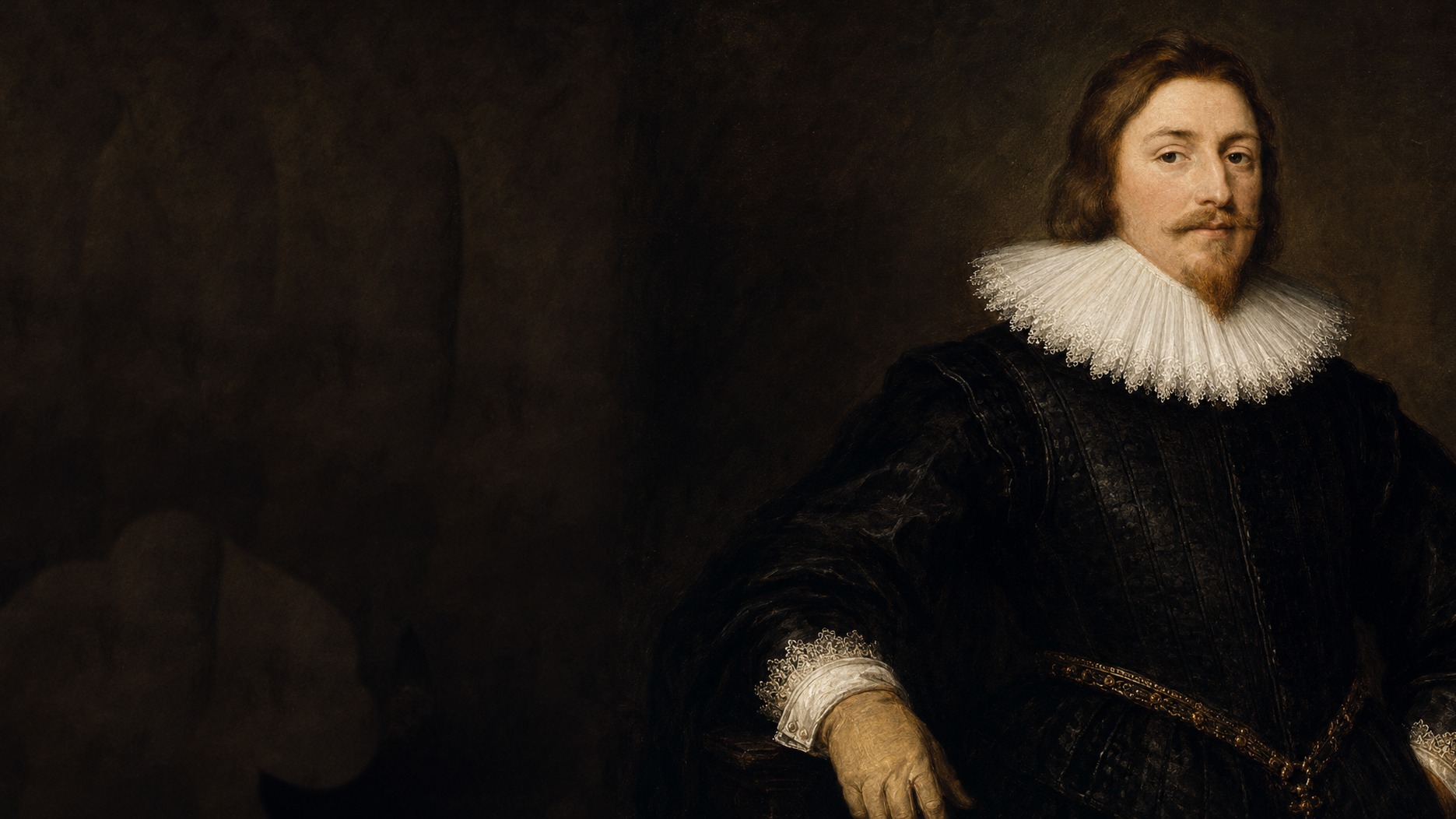
Men like George Calvert, the future Lord Baltimore, knew that cost well. He had once moved easily in the bright rooms of power, a polished courtier and trusted servant of King James I. But somewhere beneath that outward success, another struggle had begun.
To become Catholic in Protestant England was not merely to change private conviction. It was to feel the walls close in. Calvert did not make that choice cheaply.
He lost office. Lost standing. Lost the ease of moving unquestioned at the center of English political life. What remained was a vision sharpened by sacrifice. If England would not make room for Catholics to live and worship openly, perhaps that room would have to be made somewhere else.
The dream had not been born in comfort.
It had been born in secrecy, pressure, and loss.
Before Maryland, there had been Avalon, Calvert's first colonial attempt, on the cold and punishing shores of Newfoundland. Ice clogged the shoreline. Storms battered the harbor. The settlement survived for a time, but the vision could not thrive there.
The dream needed a different shore.
March 25, 1634
The Feast of the Annunciation
Heaven had once touched earth quietly, in obscurity, in a hidden place.
And now, on a small island in the Potomac River, something else was about to begin just as quietly.
The settlers gathered.
Father Andrew White prepared the altar.
The Mass began.
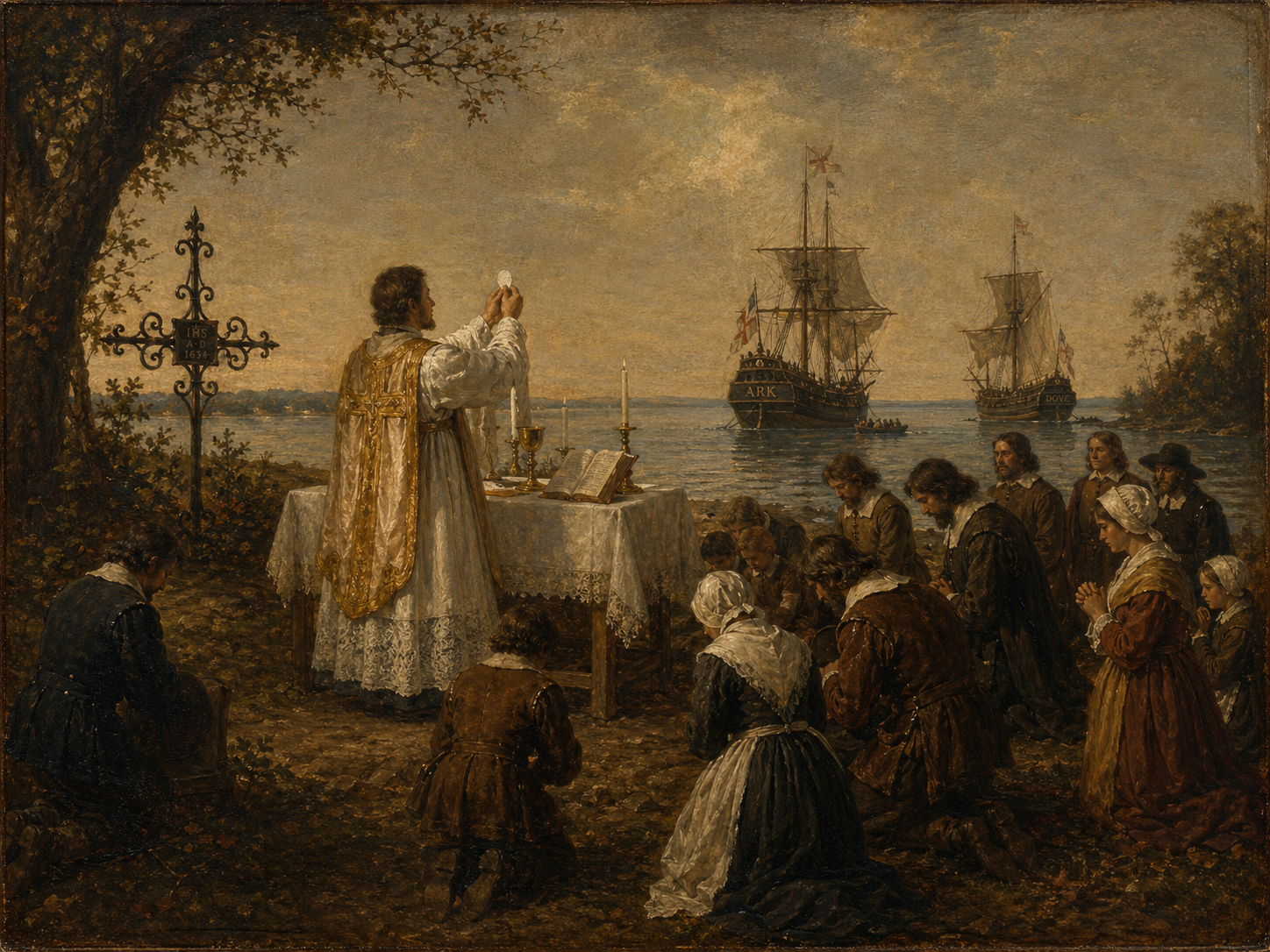
For the first time in what would become the English colonies of North America, Jesus Christ in the Blessed Sacrament was lifted toward heaven.
The moment must have been simple. No cathedral walls. No marble altar. No stained glass warming in the sun. Only a small island, a handful of weary settlers, and the quiet waters of the Potomac moving past.
Yet in that humble place, relief gave way to gratitude.
The crossing was over. The storms had passed. They had arrived.
And so they gave thanks.
When the Mass ended, the settlers stepped back into the open air. Before them stretched forests, rivers, and an unfamiliar wilderness that would soon become home. A new life was beginning there.
And with it, the fragile beginning of something else.
Not yet a law. Not yet a constitution. Not yet the First Amendment.
Only an idea.
A place where Christians divided by fear and suspicion might one day worship with a freedom they had not known in the old world.
And a small seed of religious liberty was planted on a small island in the Potomac River.